Technological Education
1. What are Technology Education courses?
Technology courses provide hands-on, project-based learning that develops practical skills in areas such as design, engineering, trades, and digital technologies. They prepare students for careers in skilled trades, STEM fields, and emerging industries
2. Why is the Technological Education credit mandatory?
The Ontario curriculum requires at least one technological education credit to ensure students gain essential problem-solving, innovation, and technical skills. These skills are critical for success in today’s economy and future workforce.
3. What types of technology courses are offered?
Mother Teresa S.S offers a wide range of courses, including:
● Transportation Technology – Automotive systems, vehicle maintenance, and design.
● Construction Technology – Carpentry, masonry, and building techniques.
● Computer Engineering Technology- Computer systems, installing and configuring appropriate hardware and software.
● Communications Technology – Graphic design, video production, and digital media.
4. How do these courses benefit students?
● Develop real-world skills for employment and entrepreneurship.
● Build critical thinking and problem-solving abilities.
● Explore career pathways in trades, technology, and engineering.
● Gain transferable skills like teamwork, creativity, and digital literacy.
5. Are these courses only for students interested in trades?
No! Technology education benefits all students by fostering innovation and adaptability. Skills learned in these courses apply to careers in engineering, healthcare, business, and more.
6. How do technology programs support Ontario’s workforce needs?
Ontario faces a growing demand for skilled tradespeople and technical professionals. Technology courses help address this shortage by equipping students with foundational skills and introducing them to high-demand career opportunities.
7. Do these courses involve hands-on learning?
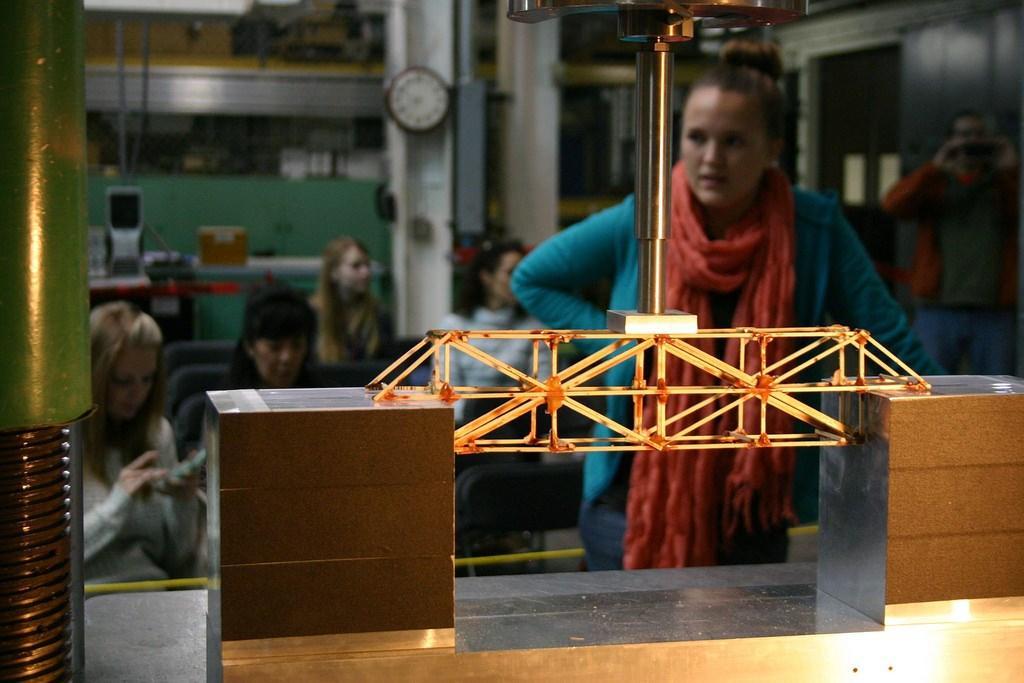
Yes! Students work with tools, equipment, and technology in real-world projects—such as building structures, designing prototypes, or programming robots—making learning engaging and practical.
8. What is the Specialist High Skills Major Program and why should I be interested in it?
The Specialist High Skills Major (SHSM) Program is an Ontario initiative that allows high school students to focus their learning on a specific economic sector while meeting the requirements for their Ontario Secondary School Diploma. Students in SHSM programs take a bundle of courses related to their chosen sector—such as construction, manufacturing, transportation, health and wellness, or information and communications technology—along with certifications like first aid, WHMIS, and sector-specific training.
Why should you be interested?
● Career Pathways: SHSM helps students explore careers in high-demand fields and gain a competitive edge for apprenticeships, college, university, or the workplace.
● Hands-On Experience: Students participate in cooperative education placements, industry certifications, and real-world projects.
● Recognition: Graduates earn a SHSM seal on their diploma, signaling specialized skills to employers and post-secondary institutions.
● Flexibility: It’s designed to fit within regular high school schedules while offering enriched learning opportunities.